Set Out on Unforgettable Junior Ranger Badge Quests

Pack curiosity, kindness, and a sturdy pencil. Today we explore National Park Junior Ranger Badge Quests from the first excited stop at the visitor center to the proud oath beside a historic sign. You will discover how kids pick up activity booklets, interview rangers, decode nature clues, and celebrate stewardship with a wooden badge that symbolizes commitment, learning, and adventure. Join the conversation in the comments, share your family’s favorite parks, subscribe for new inspiration, and let us know which badge challenge you are planning to conquer next.

Finding the Right Park Program

Every park designs activities that reflect its unique landscapes and stories, so choosing where to begin can be part of the fun. Look up park pages, call the visitor center, and ask about recommended ages, booklet availability, and seasonal opportunities. Some places offer multiple badges or special events, while others add evening talks, guided walks, and junior wildlife counts. Start close to home, build confidence, and then expand outward like a compass discovering new directions.

What’s Inside the Activity Booklet

Expect lively pages packed with scavenger hunts, habitat sketches, ranger interview prompts, simple experiments, and reflection questions that spark meaningful family conversations. Maps encourage navigation skills, while clue boxes teach observation and patience. Kids might press leaves, compare animal tracks, count clouds, or translate historic timelines into their own words. The booklet becomes a field journal, a memory keeper, and a passport to curiosity that feels personal because every page reveals what your child actually noticed.

Taking the Oath and Getting the Badge

Completion builds toward a special moment: kids present their booklets, share favorite discoveries, and raise a hand to promise care for nature and our shared history. Rangers celebrate effort, answer lingering questions, and often add a heartfelt story about the park. The badge is placed in small hands with applause, photos, and grateful smiles. More than a souvenir, it represents responsibility, wonder, and a beautiful invitation to keep exploring with humility and joy.

Packing Smarter for Young Explorers

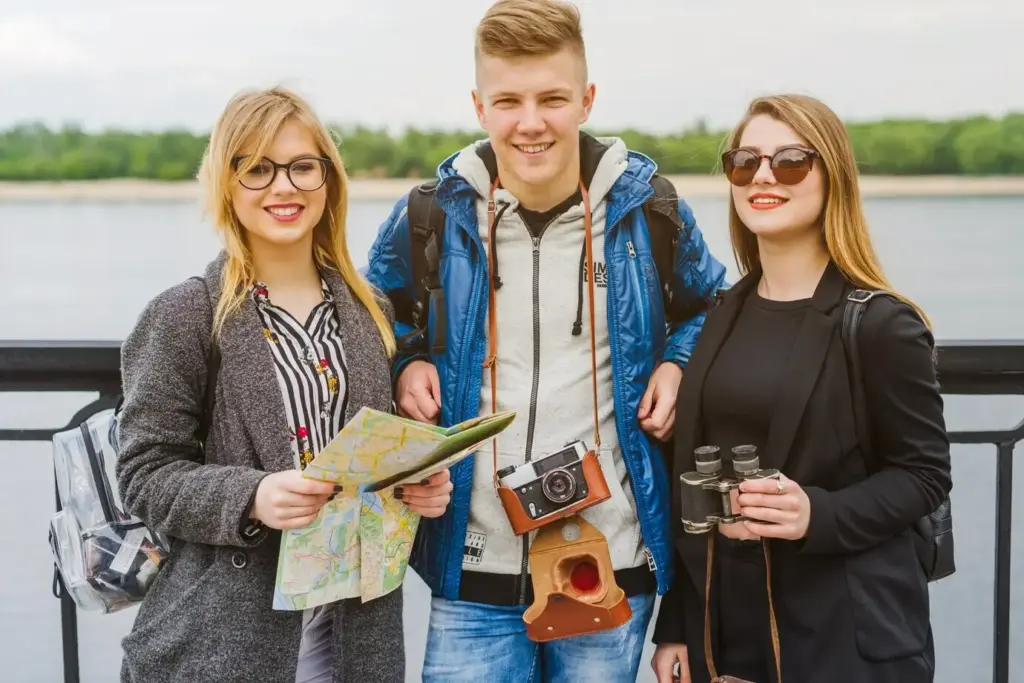
A small backpack becomes a mobile learning studio. Include colored pencils, a clipboard, reusable water bottle, sunscreen, hat, light rain jacket, and a magnifier for tiny wonders. Slip in sticky notes for labeling discoveries, a pocket field guide, and snacks for energy dips. If possible, add binoculars and a simple compass. Label everything with names and phone numbers. Keep weight manageable, celebrate independence, and practice packing at home so everyone knows where essential items live.

Designing a Flexible Itinerary

Turn maps into stories by choosing routes that combine learning stops with rest areas and bathroom access. Plan morning activities when attention is strongest, then reserve afternoons for slower walks, sketching, and ranger programs. Leave gaps for rain plans, scenic overlooks, and accidental wonders like elk crossings. If a trail proves too long, pivot without disappointment and highlight what you learned. Flexibility invites serendipity, protects morale, and helps the experience feel adventurous rather than exhausting.

Weather, Seasons, and Accessibility

Seasons dramatically shape wildlife behavior, trail conditions, and program schedules. Spring might bring waterfalls and wildflowers, while summer adds thunderstorms and high visitation. Autumn reveals crisp air and golden light; winter offers quiet, tracks in snow, and unique safety needs. Check accessibility details for strollers, wheelchairs, and sensory-friendly spaces. Ask about quiet rooms, tactile exhibits, and alternate activities if trails are closed. Preparation ensures every explorer, regardless of ability or energy level, finds welcome and wonder.

Hands-On Learning That Feels Like Play
The best discoveries happen when activities feel like games and challenges rather than lectures. Children learn to think like scientists and storytellers by comparing textures, measuring shadows, and interviewing people who care for the land. They practice empathy with living systems and cultures, stretch vocabulary through real observations, and connect dots between weather, water, soil, plants, animals, and people. Play turns knowledge into muscle memory and inspires lifelong stewardship grounded in joy.

Real Voices from the Trail

Stories anchor memory. Families remember details when they connect with feelings, surprises, and small victories. We hear about shy questions that led to big revelations, muddy shoes that turned into badges, and rangers who made time for one more thoughtful conversation. These voices encourage newcomers, normalize mistakes, and celebrate perseverance. Share your own experiences below, ask for park suggestions, and subscribe to receive monthly prompts that help you turn adventures into beautiful keepsakes.

Beyond One Badge: Building a Quest Map

Setting Meaningful Milestones

Instead of counting badges alone, set milestones that reflect growth and values: asking a ranger a brave question, spotting a new constellation, finishing a tough trail without complaints, or mentoring a younger sibling through an activity page. Track these moments alongside locations and dates. Celebrate with handwritten certificates or a family bell ring. Milestones turn progress into stories, keeping motivation steady during long drives, rainy days, and the occasional grumpy morning when energy feels scarce.

Trading and Displaying Achievements

Design a display that honors effort while keeping badges safe. Try a corkboard map, shadow box, homemade lanyard, or a fabric banner kids can sew onto gradually. Write short captions with lessons learned beside each badge. Invite visiting friends to pick a story and ask questions. Sharing builds pride without boasting, transforms walls into memory galleries, and nudges reluctant siblings toward their own quests by making achievement feel attainable, joyful, and rooted in curiosity.

Staying Engaged at Home

Between trips, keep curiosity alive with online junior programs, backyard bird counts, and neighborhood service projects that mirror park stewardship. Create mini booklets for local walks, interview a community gardener, or test water clarity in a nearby stream. Write letters to rangers with follow-up questions and drawings. Read park newsletters together and plan next steps. Sustained engagement turns occasional visits into a year-round practice of noticing, caring, and learning wherever your family happens to wander.

Care, Respect, and Safety on Every Path

Adventuring well means protecting yourself, others, and the places you love. Teach kids to read trail signs, carry essentials, and speak up when something feels off. Practice hydration habits, sun safety, and emergency communication. Discuss boundaries around wildlife, cultural sites, and cliff edges before stepping onto the trail. When families model calm choices and respectful curiosity, children absorb habits that last. Safety becomes the invisible backpack that helps every discovery feel confident and wonderfully free.

01

Wildlife Etiquette That Protects Everyone

Animals need space to thrive, and humans need distance to stay safe. Learn viewing guidelines, measure with landmarks, and use binoculars rather than approaching. Pack food securely, never feed wildlife, and step aside quietly on narrow trails. Teach kids to notice stress signals, nesting areas, and closed zones. Share the reasoning behind rules so they feel wise rather than restrictive. Respect builds trust, preserves natural behavior, and ensures future visitors can witness the same wonders.

02

Trail Safety Kids Remember

Make safety memorable with simple rituals. Before each hike, review the route, buddy system, hydration goals, and regroup points. Sing a short call-back song that everyone recognizes. Keep a bright bandana for signaling and a whistle for emergencies. Practice what-if scenarios kindly, focusing on solutions rather than fear. Celebrate small wins like remembering to reapply sunscreen or spotting loose laces before they cause a stumble. Preparedness turns potential worries into empowering routines every child can master.

03

Leave No Trace for Families

Translate principles into family language: plan ahead, stick to durable surfaces, pack out snacks, leave what you find, and respect wildlife and others. Assign cheerful roles like crumb captain or micro-trash detective. Pause to admire but not pick flowers. Photograph treasures and label locations in your journal. Model quiet voices near nesting sites. These habits weave ethics into daily fun, so caring for parks feels natural rather than forced, and your adventures remain beautifully sustainable.

Despensanaturalsausha
Privacy Overview

This website uses cookies so that we can provide you with the best user experience possible. Cookie information is stored in your browser and performs functions such as recognising you when you return to our website and helping our team to understand which sections of the website you find most interesting and useful.